
Table of Contents
Introduction
A decade ago, an EHS manager walked into a plant inspection carrying a binder of procedures, printed incident reports, and a checklist. And that’s how a day in the life of a safety manager started.
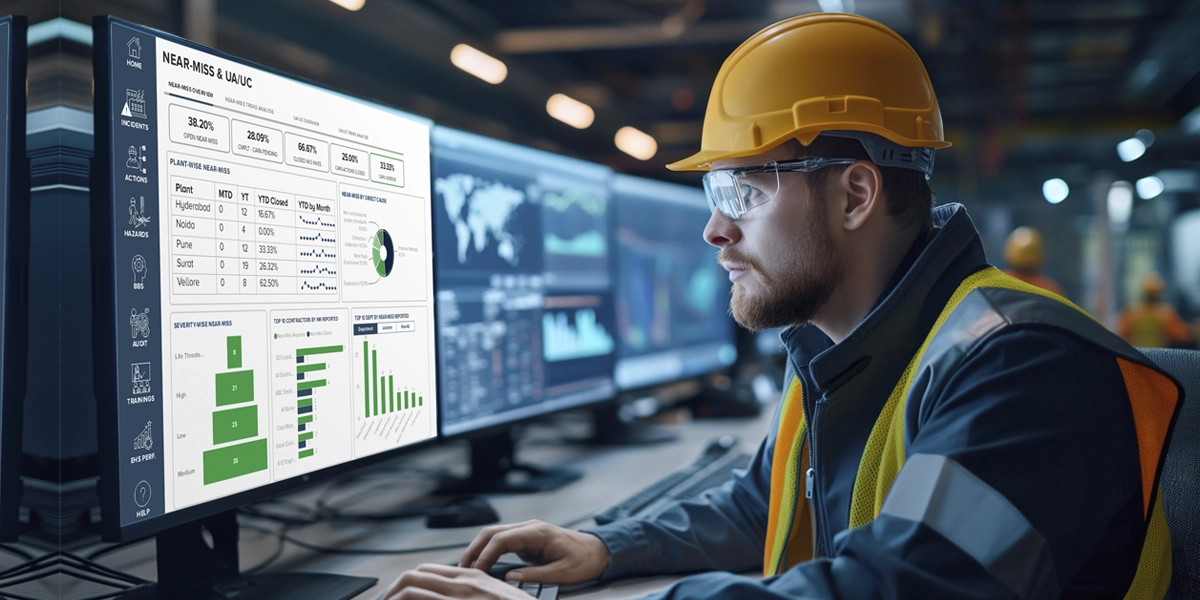
But today, leading organizations expect real-time insights into risk exposure across multiple sites, automated compliance workflows, and predictive visibility into emerging hazards.
This shift reflects a deeper reality -> EHS is no longer a support function. It is a strategic pillar of operational resilience, ESG accountability, and enterprise risk governance.
And that transformation is being powered by a new generation of high-performance EHS software platforms.
But not all EHS systems are built the same.
Some are digital repositories of safety data. Others function as integrated intelligence systems that connect people, processes, and performance metrics across the enterprise.
So what truly defines a high-performance EHS software platform today?
The Rising Expectations for EHS Technology
A typical global enterprise may now manage:
According to a Deloitte global safety leadership survey, over 78% of industrial organizations plan to increase investment in digital EHS systems by 2027 to strengthen compliance and risk visibility.
Why?
The reason is clear!
Modern safety leadership requires:
Thus, a high-performance EHS software platform becomes critical.
In this blog, let us discuss the 7 major characteristics that define a high-performance EHS management platform.
The Strategic Future of EHS Platforms
The next generation of EHS management platforms will continue evolving beyond compliance tracking.
Industry trends suggest a shift toward:
As organizations embrace digital transformation, EHS systems will increasingly function as enterprise risk management platforms rather than isolated safety tools. This transformation is already visible across leading industrial organizations that are investing in scalable digital safety ecosystems.
One example of this evolving approach is enterprise platforms such as the TECH EHS digital safety suite, which digitizes multiple EHS functions into a unified platform architecture.
Conclusion
High-performance EHS software platforms are foundational infrastructure for organizations operating in high-risk industries. From centralized risk visibility to ESG reporting integration, modern EHS platforms are redefining how companies manage safety, compliance, and operational resilience. For safety leaders, the question is no longer whether to adopt digital EHS systems.
The real question is:
Does your current EHS platform enable proactive risk intelligence—or merely record what has already gone wrong?
